

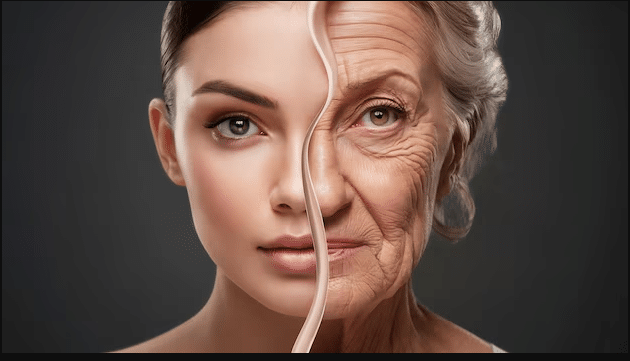
Anti-Aging Techniques of 2025: The Future of Youthful Vitality
As we step into 2025, the pursuit of longevity and youthful vitality is more dynamic than ever, blending cutting-edge science, personalized medicine, and holistic wellness. From breakthroughs in biotechnology to innovative skincare trends, this year’s anti-aging techniques promise to redefine how we approach aging. Here’s a look at the most exciting developments shaping the future of healthy aging.
1. Epigenetic Reprogramming: Rewriting the Aging Code
One of the most groundbreaking advancements in 2025 is epigenetic reprogramming, a technique that modifies gene expression to rejuvenate cells. By targeting “Yamanaka factors”—specific transcription factors that can transform cells into a youthful state—biotech companies like Life Biosciences and New Limit are developing therapies to treat age-related diseases. For instance, Life Biosciences’ gene therapy ER-100, set to enter human trials in late 2025, aims to restore vision in optic neuropathies by partially reprogramming the epigenome. This approach has shown promise in animal models, extending lifespan and improving healthspan, sparking hope for human applications.
2. Senolytic Therapies: Clearing Out Zombie Cells
Senescent cells, often called “zombie cells,” accumulate with age and drive inflammation, contributing to diseases like osteoporosis and Alzheimer’s. In 2025, senolytic therapies, which selectively eliminate these cells, are gaining traction. Research from Cold Spring Harbor Laboratory has demonstrated that CAR T cells reprogrammed to target senescent cells can prevent age-related conditions like obesity and diabetes in mice, with a single dose offering lifelong benefits. Clinical trials are underway to translate these findings to humans, potentially revolutionizing anti-aging medicine.
3. Psilocybin’s Surprising Anti-Aging Potential
A surprising contender in 2025’s anti-aging landscape is psilocybin, the active compound in psychedelic mushrooms. Emory University researchers found that psilocin, a byproduct of psilocybin, extended the lifespan of human skin and lung cells by over 50% and increased survival in aged mice by 30%. By reducing oxidative stress, enhancing DNA repair, and preserving telomere length, psilocybin shows potential as a systemic anti-aging therapy. While traditionally studied for mental health, this discovery opens new avenues for longevity research.
4. Personalized Medicine: Tailored Anti-Aging Solutions
Personalized medicine is transforming anti-aging in 2025 by customizing treatments to individual genetic and lifestyle profiles. Genetic testing identifies markers for aging-related conditions, while microbiome analysis optimizes gut health to improve immunity and skin condition. Nutrigenomics, the study of how nutrition affects gene expression, is also on the rise, with diets like the Mediterranean diet tailored to genetic profiles to reduce chronic disease risk. Wearable devices, such as smartwatches, provide real-time health data, enabling proactive interventions to slow aging.
5. Advanced Skincare: Hormones, Exosomes, and Peptides
Skincare in 2025 goes beyond creams, with hormonal therapies and regenerative technologies taking center stage. Research highlights hormones like retinoids, estrogen, and novel players as key regulators of skin aging, reducing wrinkles and hair graying. Exosomes from human adipose-derived stem cells are gaining attention for their ability to repair damaged skin without immune rejection, offering a non-invasive option for rejuvenation. Peptides, which stimulate growth hormone production, are also trending for their role in tissue repair and metabolic health.
6. AI-Driven Longevity Interventions
Artificial intelligence is accelerating anti-aging research by identifying novel interventions. In 2025, AI platforms like Junevity’s RESET use large-scale human data to pinpoint transcription factors that regulate cell damage, developing siRNA therapeutics to reset cell health. These therapies have shown preclinical success in improving glucose control in diabetic mice, with potential applications for broader age-related conditions. AI is also driving rapid drug discovery, as seen with Insilico Medicine’s generative chemistry, which designs anti-aging compounds in weeks.
7. Holistic Wellness: Mind, Body, and Environment
Holistic approaches remain a cornerstone of anti-aging in 2025, emphasizing mental and emotional health. Mindfulness and meditation apps reduce stress, a major driver of accelerated aging, while therapy chatbots provide accessible mental health support. Lifestyle interventions, such as Tai Chi and Qigong, promoted by longevity influencers like Master He, enhance balance and vitality. Vitamin C megadosing (500–3,000 mg daily) is also trending for its role in collagen formation and skin barrier function, with studies suggesting it can make aged skin resemble youthful tissue.
8. Mitochondrial Therapies: Powering Youthful Cells
Mitochondrial health is critical to aging, and 2025 sees innovative therapies targeting these cellular powerhouses. Chinese scientists have engineered senescence-resistant mesenchymal progenitor cells that produce exosomes delivering “youthful signals,” while Mitrix Bio’s mitochondrial transplantation trials, led by John G. Cramer, aim to reverse age-related decline. These approaches address mitochondrial damage, a key hallmark of aging, offering hope for systemic rejuvenation.
Looking Ahead: The Future of Aging
The anti-aging techniques of 2025 reflect a convergence of science, technology, and wellness, offering hope for longer, healthier lives. While many therapies are still in early stages, their potential to address the root causes of aging—rather than just symptoms—marks a paradigm shift. As research progresses, ethical questions about accessibility and longevity arise, but one thing is clear: 2025 is a pivotal year in humanity’s quest to rewrite the aging narrative.
Stay tuned to street.co.ke for updates on these transformative trends, and consult healthcare professionals before adopting new anti-aging strategies.